







Search Results for: Queen of Coffee
Analysis of the Flavor Characteristics of Sidamo Huakui Coffee Beans and the Latest Updates on the 2022 Harvest 6.0 Batch
The Huakui coffee beans from the Sidamo region of Ethiopia have long been favored by coffee enthusiasts for their unique berry-like sweetness and acidity along with fermented aromas. 2022 marks the sixth year since Huakui rose to fame, and the new harvest's 6.0 batch should have been highly anticipated; however, problems such as shipping disruptions and a relatively high defect rate in the green beans followed one after another. After Front Street Coffee received the 6.0 batch, it found the overall defect rate to be relatively high. After communicating with the importer Hongshun, it decided not to sell this batch this year and instead use naturally processed Huakui coffee beans from the same region and the same processing station. This article will guide you through the origins of Huakui, the distribution of various processing stations in the Hambela region, the reasons for the division between Huakui and Small-Bean Huakui, as well as Front Street Coffee's recommended brewing method and flavor description, helping you gain a more comprehensive understanding of these coffee beans. [more…]
Complete Analysis of Huakui and Geisha Varieties and Origins: The Origins of the Translations Hambela and Geisha, and a Comparison of Their Flavor Differences
Recently, a video conflated Huakui coffee beans, the Hambela production region, and the Geisha variety, claiming that the three can be equated. Is this really the case? This article will trace the spread of the Geisha variety from Geisha Mountain in Ethiopia to Hacienda La Esmeralda in Panama, clarify the administrative affiliation of Hambela as a sub-region of Guji, and restore the full story of how Huakui coffee beans were named after winning the 2017 TOH. At the same time, Front Street Coffee will, through cupping experience, compare the flavor differences between small-bean Huakui and regular Huakui, and analyze the essential differences between Geisha and Huakui in their main flavor profile, helping coffee lovers build a clear understanding of varieties and production regions. [more…]
Ethiopia Guji Hambela Flower魁 Legend: Cold Brew, Ice Drip, Pour-Over, and Flower魁 5.0 Flavor Analysis
In Hambela, within Ethiopia's Guji region, the Buku Abel processing station has produced a sun-dried bean that has captivated coffee lovers worldwide—Floral Queen. From its 2017 TOH championship win to today's Floral Queen 5.0, this bean, with its rich aromas of strawberry, cream, and berries, has become an excellent choice for summer iced coffee. This article reviews Floral Queen's rise to fame, analyzes the flavor evolution and roasting key points of Floral Queen 5.0, and shares four brewing methods commonly used by Front Street Coffee: hot pour-over, iced pour-over, cold drip, and cold brew. Whether you want to experience a gentle sunset-like softness or pursue a juicy, full-bodied cup, you'll find suitable brewing parameters and practical suggestions here. [more…]
Detailed Guide to Pour-Over Parameters for Brazil Queen Estate Yellow Bourbon Coffee Beans: Water Temperature, Grind Size, Coffee-to-Water Ratio, and the Full Three-Pour Brewing Process
Brazil, as the world's largest coffee producer, may not often feature specialty beans in cafés, but the Yellow Bourbon coffee beans from Queen Farm have won the favor of many enthusiasts with their balanced taste and nutty, cocoa-like notes. In this article, Front Street Coffee uses Queen Farm coffee beans as an example to systematically explain how to hand-brew this rich and sweet Brazilian coffee at home from four dimensions: water temperature, grind size, coffee-to-water ratio, and brewing technique, along with complete brewing parameters and a step-by-step process. [more…]

A Complete Guide to Brazilian Coffee Roast Curves: Roast Levels and Flavor Expression Through Queen's Farm Yellow Bourbon
The roast profile is the key factor determining the direction of a coffee's flavor, and the same bean can present a completely different personality at different roast levels. Brazil, as the world's largest coffee-producing country, is known for its coffee's low acidity, heavy body, and nutty-chocolate notes. This article takes the Yellow Bourbon from Queen's Farm in Brazil's Mogiana region as a sample, and from the region's background, variety characteristics, and pulped natural process to Front Street Coffee's roast analysis and brewing parameters, it presents a complete picture of the roasting logic and flavor expression of Brazilian coffee. Whether you are a beginner just getting into pour-over or someone who wants to understand more deeply how roast level affects what's in the cup, this article offers practical reference. [more…]
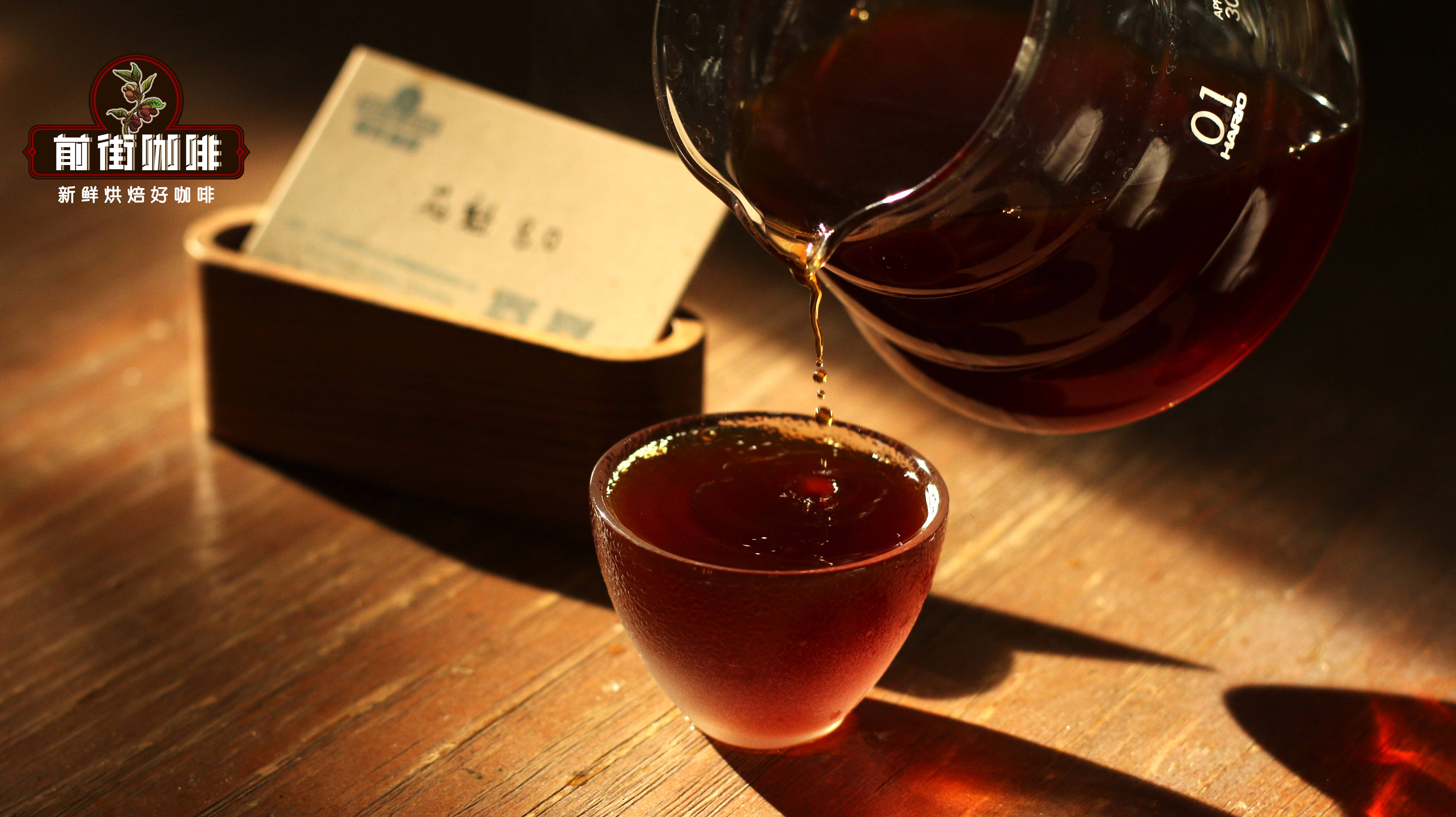
Ethiopia Sidamo Hambela Huakui 4.0: Dega Variety Natural-Process Coffee Bean Flavor and Pour-Over Analysis
In 2017, a naturally processed coffee from the Buku processing station in Ethiopia won the TOH competition and was named "Huakui" by a Chinese green bean trader, thus beginning the legendary journey of this coffee. Four years later, Huakui 4.0 was released with the entirely new Dega variety, with the production area expanded several times over, more scientific cultivation and management, and even better flavor performance. This article will take you through the origin background of Huakui 4.0, the characteristics of the Dega variety, the natural processing method, and Front Street Coffee's roasting and pour-over recommendations, offering a comprehensive analysis of this highly anticipated Ethiopian coffee. [more…]
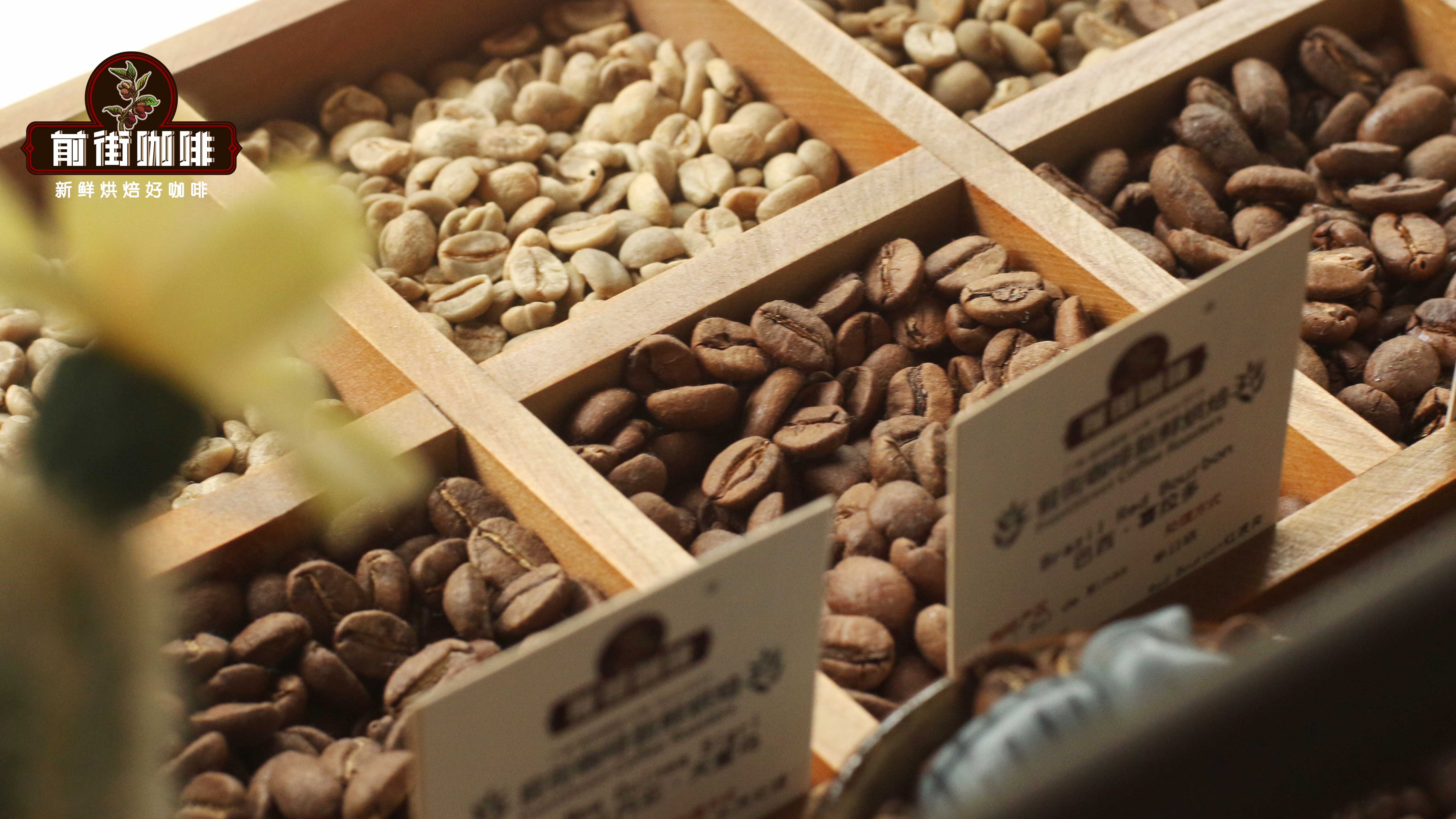
Brazilian Specialty Coffee Flavor Guide: Queen Farm Yellow Bourbon Caramel Sweetness and Full Pour-Over Parameter Analysis
Brazil, as the world's largest coffee producer, has a specialty coffee quality that is equally noteworthy. Front Street Coffee believes that the Yellow Bourbon variety produced by Queen's Farm best represents the flavor of the Brazilian region. This farm belongs to the Carvalho Dias family, which has repeatedly won COE awards, and through high-altitude cultivation, fully manual harvesting, and semi-dry processing, it presents a unique flavor interwoven with nuts, cream, peanuts, fermented fruit, and cane sugar. This article will systematically review Queen's Farm's origin background, variety characteristics, and processing method principles, and include Front Street Coffee's roasting and pour-over extraction parameters, taking you through a comprehensive understanding of the appeal of this high-end Brazilian coffee bean. [more…]
A Complete Guide to the Natural Process: The Origins, Variety Characteristics, and Brewing Tips of Huakui Coffee Beans
Ethiopia is the birthplace of Arabica coffee, and its natural processing method has produced countless unique and flavorful beans. As a star representative of the Sidama region, Huakui coffee has won over many coffee lovers with its intense floral and fruity aromas and honeyed sweetness. This article will systematically examine the full picture of this coffee from multiple angles, including the origin of the name Huakui, the background of the Hambela region, the geographical environment of Sidama, the characteristics of the Heirloom native variety, Ethiopia's coffee grading system, and the complete process of the natural processing method. It also includes Front Street Coffee's brewing parameter suggestions and bean-resting reminders to help you better appreciate the layered complexity and sweetness of this naturally processed Huakui. [more…]
Flavor Analysis of Queen Estate Yellow Bourbon Specialty Coffee from São Paulo, Brazil, and the Differences Between Pulped Natural and Natural Processing Methods
Brazil is the world's largest coffee producer, and one of the representatives of its specialty coffee is the Yellow Bourbon variety produced by Queen Farm in São Paulo State. This article, from the perspective of Front Street Coffee, systematically reviews Queen Farm's producing region background, variety characteristics, differences in processing methods, and roasting and brewing recommendations. The article not only introduces the flavor differences between Yellow Bourbon and Red Bourbon, but also compares in detail the effects of semi-washed and natural processing methods on coffee quality, and includes the grading standards for Brazilian coffee beans. Whether you are an enthusiast who wants to learn about Brazilian specialty coffee or a consumer looking for everyday coffee beans, you can gain practical reference from it. [more…]
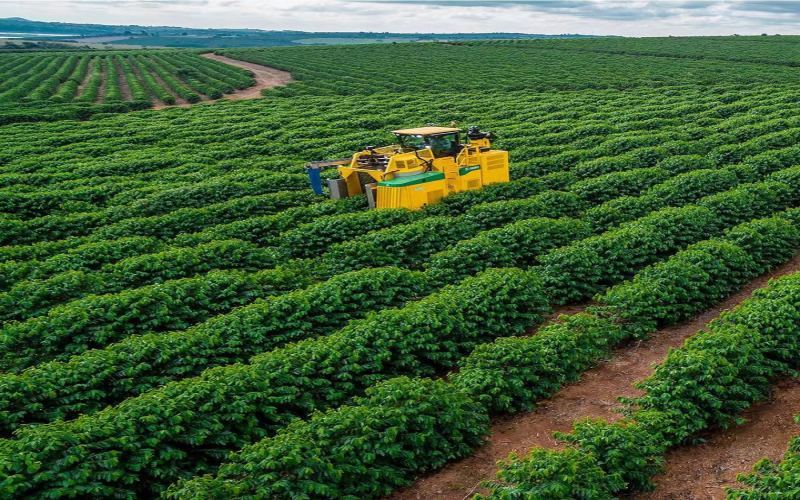
A Detailed Guide to Brazilian Coffee Bean Pour-Over Techniques: Discussing Extraction Parameter Settings from the Perspective of Front Street Queen Estate
Brazil is the world's largest coffee producer, and its coffee beans are renowned for their balanced sweetness and nutty notes, making them highly favored by pour-over enthusiasts. This article uses Front Street Coffee's Brazil Queen Estate coffee beans as an example, breaking down the flavor formation from terroir and variety characteristics to processing method one by one, and systematically explains the four core parameters of water temperature, grind size, coffee-to-water ratio, and brewing technique, providing a pour-over recipe that can be directly referenced. Whether you are a beginner just getting into pour-over or an enthusiast looking to refine your technique, you will find clear operational guidance here. [more…]
Brazil Queen Estate Yellow Bourbon Coffee Beans: Why Pulped Natural Processing Brings a Mellow Flavor Without Acidity
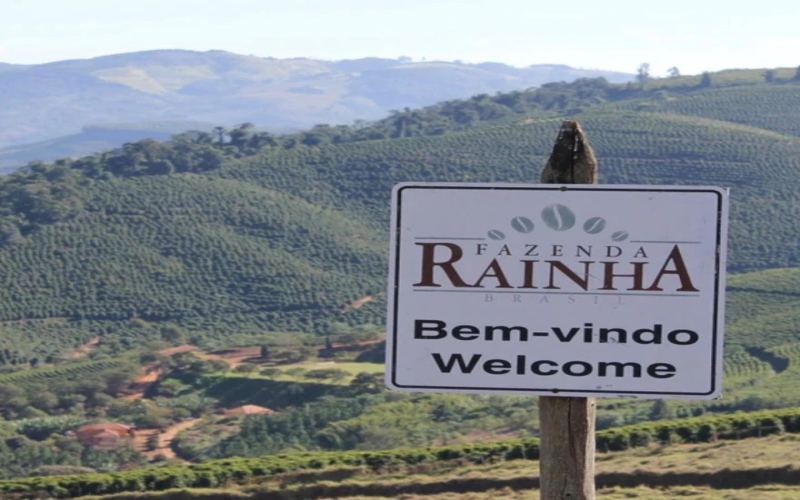
For coffee lovers who prefer a rich, full-bodied taste without acidity, the semi-washed Yellow Bourbon coffee beans from Brazil's Queen's Farm estate are a choice worth noting. These beans come from the high-altitude Queen's Farm in Brazil's Mogiana region, an estate belonging to the renowned Carvalho Dias coffee family that has won numerous awards at COE competitions. This Brazilian Queen's Farm Yellow Bourbon, offered by Front Street Coffee, retains the signature nutty and cocoa undertones of Brazilian beans while also displaying a unique, subtly sweet finish. The Yellow Bourbon variety itself has a mild, balanced acidity, and when paired with Brazil's original semi-washed processing method, the acidity is further reduced while cleanliness and sweetness are enhanced. This article will provide a detailed introduction to the flavor and taste characteristics of these non-acidic pour-over coffee beans, covering the estate's background, variety characteristics, processing techniques, and roasting and brewing parameters. [more…]
The Complete Guide to Brazilian Pour-Over Coffee: Front Street Queen Estate Parameters and a Practical Guide to the Four Key Elements
Brazil, as the world's largest coffee producer, is favored by pour-over enthusiasts for its balanced flavor and prominent sweetness. However, for those just starting out, when faced with a specific Brazilian bean, they often have no idea how to handle water temperature, grind size, coffee-to-water ratio, and pouring technique. This article takes Front Street Coffee's Brazil Queen Estate coffee beans as an example, first outlining how this bean's growing region, variety, and processing method shape its flavor, then giving specific recommendations from four dimensions: water temperature, grind size, coffee-to-water ratio, and brewing technique, and finally providing complete brewing data and flavor description. If you are looking for a reliable Brazilian coffee pour-over recipe that is hard to mess up, you can follow the steps below and give it a try. [more…]
Brazil Queen's Estate Yellow Bourbon: The Terroir and Cultivation Landscape of a Semi-Washed Specialty Coffee
Brazil's Queen Estate Yellow Bourbon is a specialty bean that coffee enthusiasts pay attention to, coming from the high-altitude region of Mogiana in São Paulo State. The estate sits at about 1,150 to 1,350 meters above sea level, with an average annual temperature of only 19°C, so the fruit grows slowly but densely, giving it a far more complex flavor than ordinary Brazilian highland beans. Queen Estate belongs to the Carvalho Dias family and has achieved repeated successes since the first Brazil COE in 1999, taking second place in 2000, third place in 2001, and 29th place in 2005. This Yellow Bourbon released by Front Street Coffee uses natural processing, and in the cup it shows a balanced sweetness, creamy smoothness, orange and apricot notes, and aromas of chocolate and caramel. This article fully sorts out the origins and development of this bean, from geography and climate, cultivated varieties, and processing methods to flavor performance. [more…]
Brazil Queen's Farm Yellow Bourbon Coffee Beans: Estate Cultivation Origins and Refined Natural Process Flavor Analysis
Against the backdrop of widely promoted mechanized large-field cultivation in Brazil, estate-level specialty coffee is particularly scarce, and Queen's Estate in Mojiana is precisely a standout among them. This century-old estate, belonging to the Carvalho Dias family, is renowned for its old Yellow Bourbon variety and meticulous sun-drying process, while its altitude and climate conditions endow the coffee beans with higher density and sweetness. Front Street Coffee's bean list includes only this one Brazilian estate-level coffee bean, which uses a medium-dark roast and is presented via pour-over to bring out its rich flavors of peanut, nuts, cream, and cane sugar. This article will guide you through Queen's Estate's cultivation history and processing techniques, and share Front Street Coffee's brewing recommendations. [more…]
Huakui 5.0 Pour-Over Parameters and Four Extraction Methods Explained: A Complete Guide from Hot Brew to Cold Brew
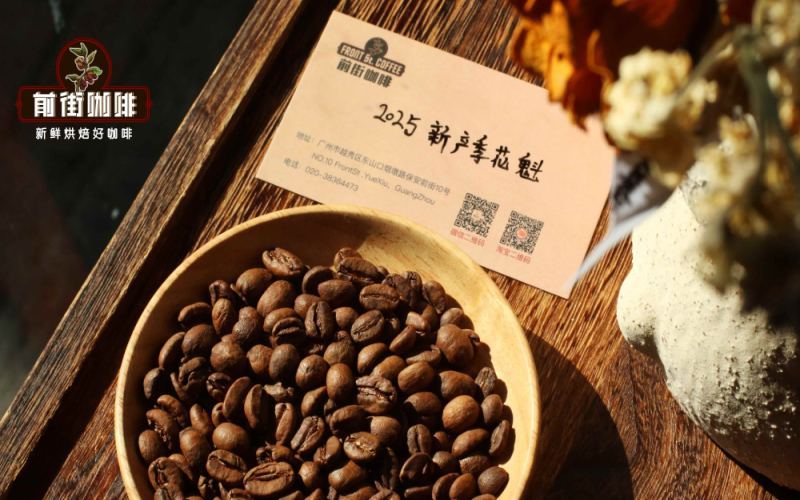
As an Ethiopian natural coffee from the 2025 new harvest season, Huakui 5.0 is beloved for its strawberry-cream sweetness and full, juicy body. Starting with the award-winning history of Huakui coffee, this article traces the evolution of its versions from 1.0 to 5.0, and shares in detail the roasting approach that Front Street Coffee's roaster has adopted in response to the high moisture content of the new-harvest beans. On the brewing side, the article presents the complete parameters and techniques for four extraction methods—hot pour-over, iced pour-over, ice drip, and cold brew—including key data such as water temperature, coffee-to-water ratio, grind size, and pouring rhythm, helping coffee enthusiasts fully bring out the gentle layers of this bean at home. [more…]
Ethiopian Huakui Coffee Beans Guji Hambela Region Flavor Analysis and Pour-Over Parameters Tutorial
Ethiopia is a genetic treasure trove of coffee, and the Hambela micro-region in the Guji zone has risen to prominence on the world stage thanks to a sun-dried bean. This coffee, named "Huakui" by a Chinese importer, has won over countless coffee lovers with its intense strawberry and cream aromas. Every year, Front Street Coffee travels deep into the Buku Abel processing station to purchase the season's Huakui, dissecting the flavor code of this bean layer by layer, from variety and processing method to roasting and brewing. This article will systematically outline Huakui's regional background, varietal characteristics, and sun-drying process, and include a three-pour V60 hand-brewing tutorial from Front Street Coffee to help readers consistently reproduce Huakui's citrus acidity and berry sweetness. [more…]
Nutty and Cocoa-Forward Coffee Beans Without Acidity: Brazil Queen's Estate Yellow Bourbon Flavor, Pulped Natural Processing, and Pour-Over Parameters Explained
For those who enjoy nutty, cocoa-toned coffee without wanting noticeable acidity, the Yellow Bourbon from Brazil's Queen's Farm is often an unavoidable choice. It comes from the high-altitude Mogiana region of Brazil, bringing with it a clean sweetness and a brown-sugar-like finish, making it highly recognizable among Brazilian beans. This article focuses on the Brazil Queen's Farm Yellow Bourbon coffee beans offered by Front Street Coffee, outlining the estate's background, the characteristics of the Yellow Bourbon variety, the semi-washed processing method, as well as Front Street's green bean analysis, roasting insights, and in-store brewing parameters, helping coffee lovers understand why this bean presents a rich nutty and cocoa flavor with a balanced, smooth, and low-acid taste, and providing a reproducible pour-over extraction approach. [more…]
Brazilian Coffee Bean Brand Recommendation: A Full Analysis of the Queen Estate of São Paulo Yellow Bourbon Flavor and Pour-Over Parameters
Brazil is the world's largest coffee producer, accounting for about one-third of global output, but why are Brazilian coffee beans generally so inexpensive? From the perspective of Front Street Coffee, this article first reviews Brazil's coffee-growing conditions and cultivation characteristics, then focuses on recommending the Queen Estate coffee beans from Mogiana in São Paulo State, introducing their Yellow Bourbon variety, pulped natural processing method, and flavor profile, along with Front Street Coffee's pour-over brewing parameters and pricing reference, to help coffee lovers gain a comprehensive understanding of this Brazilian specialty coffee that combines sweetness with full body. [more…]
Analyzing Brazilian Coffee Bean Costs and Prices, Featuring Front Street Queen's Estate Yellow Bourbon Specialty Single-Origin
Brazil, as the world's largest coffee producer, has long been a focus of attention for enthusiasts when it comes to the cost and price of its coffee beans. This article starts with the cost structure of Brazilian coffee and then recommends a highly cost-effective specialty single-origin coffee — Front Street Brazil Queen's Farm Natural Yellow Bourbon. This estate belongs to the renowned Carvalho Dias family and has won numerous COE Cup of Excellence awards. The article provides a detailed introduction to the estate's background, cultivation and processing methods, green bean analysis, roasting curve, cupping flavors, and pour-over parameters, along with suggestions for making iced coffee. Front Street's own-roasted Brazilian coffee beans sell for only 45 yuan for a 227-gram box, with a cost of about 3 yuan per cup — combining quality and value, and suitable for everyday drinking. [more…]
Brazil Queen's Farm Yellow Bourbon Pour-Over Tutorial: A Complete Guide to Water-Pouring Parameters, Flavor Profile, and Estate Background
Yellow Bourbon is a rare variety mutated from Red Bourbon. Its fruit turns yellow when ripe, with a mutation probability of about 10%. The Queen's Estate in Brazil's Mogiana region is the source of the specialty Yellow Bourbon selected by Front Street Coffee. This estate belongs to the Carvalho Dias family, has repeatedly achieved excellent results in Brazil's COE competitions, and insists on manual harvesting while emphasizing environmental protection. Front Street Coffee uses a medium roast to highlight its sweetness, and this bean suits a variety of brewing methods. This article will share the complete brewing method and tasting points for Queen's Estate Yellow Bourbon, from the estate's background and variety characteristics to pour-over parameters and flavor description. [more…]